
When “Calm” Isn’t the Goal: Neurodivergent-Affirming Yoga Therapy
Updated: Apr 9
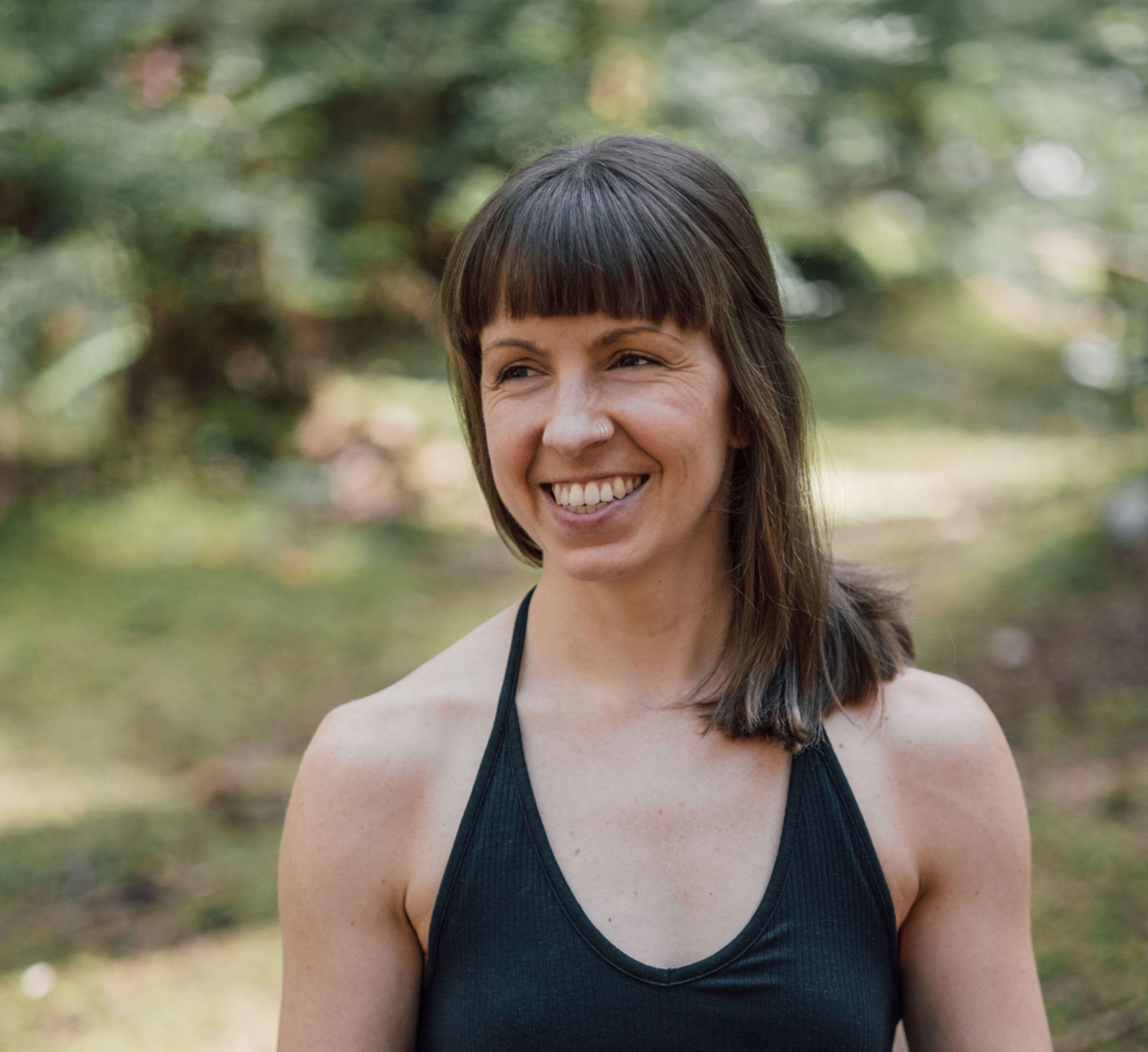
I’m Angie Lamb, a Certified Yoga Therapist (C-IAYT), and I offer trauma-informed, neurodiversity-affirming online yoga therapy for adults navigating stress, anxiety, burnout, and overwhelm—with an emphasis on safety, choice, accessibility, and co-created practices that meet each nervous system’s unique needs. Many neurodivergent people I work with share a common frustration - they often don’t realize how they’re feeling until their emotions become too much.

This pattern can come from unique ways of sensing (interoception), years of masking, ongoing stress, or unsupportive environments. Noticing these factors can help us better understand and find more supportive approaches.
Before we continue, I want to clear something up. A lot of online advice treats ‘calm’ as the main goal, often meaning being quieter or easier for others. But that isn’t real healing. Yoga therapy supports you to notice what’s happening earlier - before overwhelm takes over. The goal isn’t to make you more “acceptable.” It’s to help you recognize signals sooner, build choice, and care for your nervous system with more clarity.
When I say ‘nervous-system support,’ I don’t mean hiding your feelings or masking them. I mean more options, less shame, and more room to be yourself.
Patterns that may feel familiar
In my work with neurodivergent folks, a few themes show up again and again:
emotions escalating quickly
realizing you’re upset only once it’s already “big”
chronic upper-body tension (often linked to emotional “guarding”)
fatigue that rest doesn’t reliably fix
a baseline level of anxiety that feels “normal”
disconnection - or even unsafety - in the body
masking at work, in relationships, and socially
These might be signs that your nervous system has been under too much strain for too long. While your body is doing its best to support you, now could be a gentle time to explore new ways of caring for yourself.
Building a toolbox of supportive practices
Many neurodivergent people, including myself, do best with practices that are repetitive, rhythmic, predictable, sensory-aware, offer choices, and are slow enough to notice their effects.
It’s also worth noting that some popular “calming” practices can make things harder — especially long periods of stillness, silence, or inward focus. If a practice increases distress, you’re allowed to modify it, shorten it, add movement, or skip it entirely.
If something ramps you up, that’s not failure — it’s feedback. You might try a shorter dose, build in movement, or choose a different sensory support (a weighted item, fidgeting, gentle rocking, sighing, or heel stomps). And if you’re experimenting while feeling tender or activated, it can help to have support nearby — a trusted person, a therapist, or a community space that feels resourcing.
Here are some practices that clients often find helpful. Before you try them, stay compassionately curious: experiment, notice what works, keep what helps, and let go of what doesn’t. Change or skip any step to fit your sensory or mobility needs. You can do each practice while sitting, lying down, or using assistive devices. For example, you can hum while lying down or use a fidget spinner to add movement. You might try a body scan while gently rocking or sitting on a stability ball. These changes can help you find what soothes you best. It’s normal to feel awkward or unsure when trying something new. Even small, imperfect steps are valuable.
1) 60 seconds of humming
Try humming as you exhale for 3 to 6 rounds. It can be quiet or louder, short or long—just do what feels right for you in the moment.
Then pause and notice if anything has changed, such as your jaw, throat, chest, or breathing. If it feels helpful, repeat. If not, let it go.
Afterward, check for any small changes, like a longer exhale, a softer jaw or face, easier swallowing, warmth in your chest, or a slightly quieter mind.
2) A short, flexible body scan
Choose one place to notice sensation (jaw, shoulders, hands, belly, or other) and observe what’s there.
If stillness feels activating, try noticing sensation while you’re moving gently first, then for a brief moment of stillness.
You can also scan one side at a time, like your right foot or leg and then your left. Many people find this easier than trying to notice both sides at once.
For people with chronic pain: you don’t have to look for “no pain.” Sometimes it’s enough to find one small area that feels neutral or just a bit easier, even if it’s just a fingernail, and focus your attention there for a few breaths.
Signs that a practice is supportive might include clearer sensation (even if it’s “I feel nothing”), less tension, feeling more grounded, or just being more aware of what you need.
3) Repetitive movement + breath (2 minutes)
Pick one small movement you can repeat (shoulder rolls, wrist circles, gentle neck movement, etc.) and link the movement with your breath, repeating for a number of rounds. Then ask: what changed, what stayed the same?
Look for signs like less tension, steadier breathing, a bit more energy, or a sense of settling, even if it’s only a small change.
You don’t need a studio class, special equipment or long sessions. These practices can be brief and flexible enough to fit your life, so you don’t have to change your routine for them.
The Role of Community
Many of my past clients have felt lonely, afraid of rejection, or not believed, especially those who learned they were neurodivergent later in life. In these situations, wellness approaches that focus only on independence and “self-regulation” often don’t help and can sometimes even cause harm.
Yoga’s roots hold a different truth: healing is often relational.
For neurodivergent folks, the right community can mean:
co-regulation through shared presence
less shame (because you’re not the only one)
fewer reasons to mask
safer experimentation with practices that might feel vulnerable alone
When I began hosting small-group yoga therapy for late-identified autistics, many participants said the sense of shared experience was one of the most meaningful and impactful parts of the sessions.
A gentle way to start
It’s not always safe to unmask. Even in supportive spaces, feeling safe can take time. Choose options that let you ease in, like observing quietly, keeping your camera off, or joining in whatever way feels best each day.
If you’re looking for community, consider groups that emphasize inclusivity, consent/choice, and understanding of neurodivergent experience. You might find options through directories (like this one), local or virtual groups, online communities, or referrals from aligned practitioners.
What I hope you take away
Key takeaways: Think of self-regulation as understanding your nervous system, not controlling it. Use care, curiosity, and choice to listen to your body’s signals. Progress isn’t always a straight line, and that’s normal. Celebrate every step, honour your journey, and remember: you are seen, supported, and can move forward with compassion and resilience.
Curious about working together or joining a future small group? Follow @cedarcoastyoga for updates, or reach out via my website (www.cedarcoastyoga.com) to explore next steps.


Comments